

What is the best camera for your safari?
Plan now to ensure that you are able to capture the memories of your “trip of a lifetime”!
By Chris Petersen … confessed safari photo addict
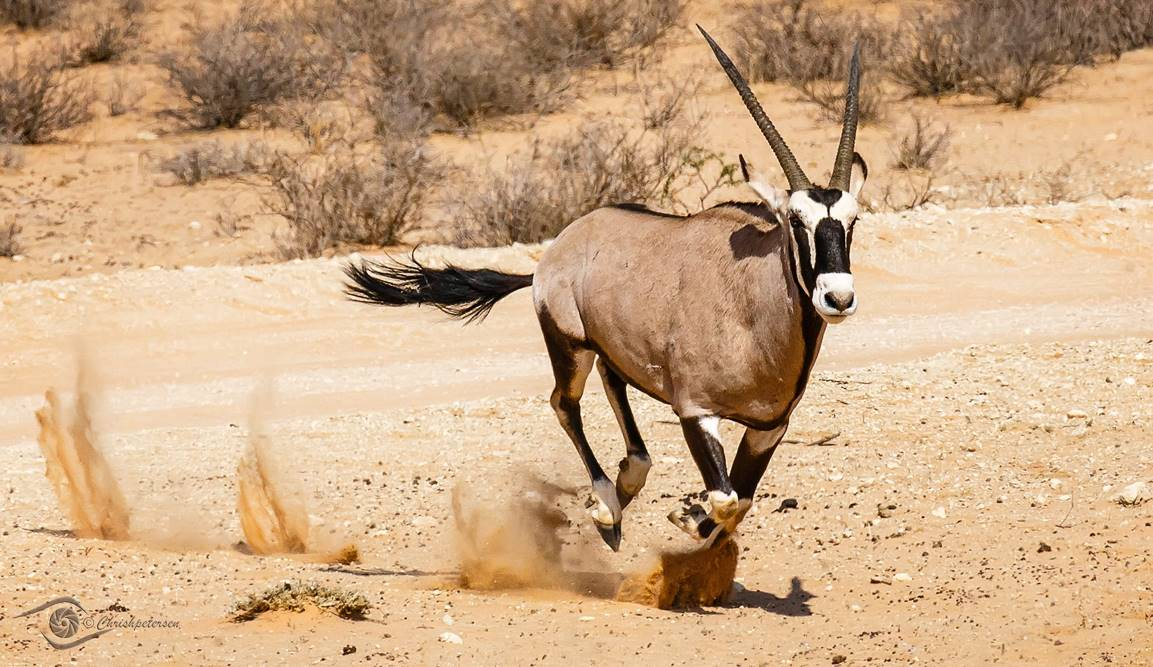
There is no substitute for having the right camera on safari to capture memories of a lifetime!
You have been planning for months, maybe years. You have booked the tickets. You have addressed all of your safari details and you are already packing for your ultimate adventure. You are about to go on the most amazing trip of a lifetime, but do you have the right camera to capture your experience?
Some key planning right now can make all the difference in the memories you are able to record and share with others. As you make your final preparations, take a few moments to select the best camera/s to take on safari, so that you don’t miss capturing those amazing experiences you have dreamed about.
A safari presents unique opportunities and challenges for finding the right camera
If the truth be known, almost any camera will be good enough for many of your photos of your activities around camp during the day. Many trophy photos are taken in good daylight, with plenty of time to set up the photo. In fading light or for shots around the lodge, almost all cameras have some kind of flash to capture at least a “snapshot” of you and your group.
What is so often missed or not considered is recording the rest of the “safari experience”. There are so many new things that will be part of your experience! These are the photos that will help you tell stories when you get back home. When you look at the photo books put together by families on safari, they are filled with photos about their experiences. The real stories and memories are about the amazing scenery, where you stayed, the game drives, the “sundowners” you shared, camp fires, adventures you shared with new friends, and those special experiences like riding horses or even elephants through the plains of Africa.
Most of all, safaris are all about capturing the magnificent wildlife in their native habitat in this amazing place called Africa. Who doesn’t want great photos of lions and elephants!
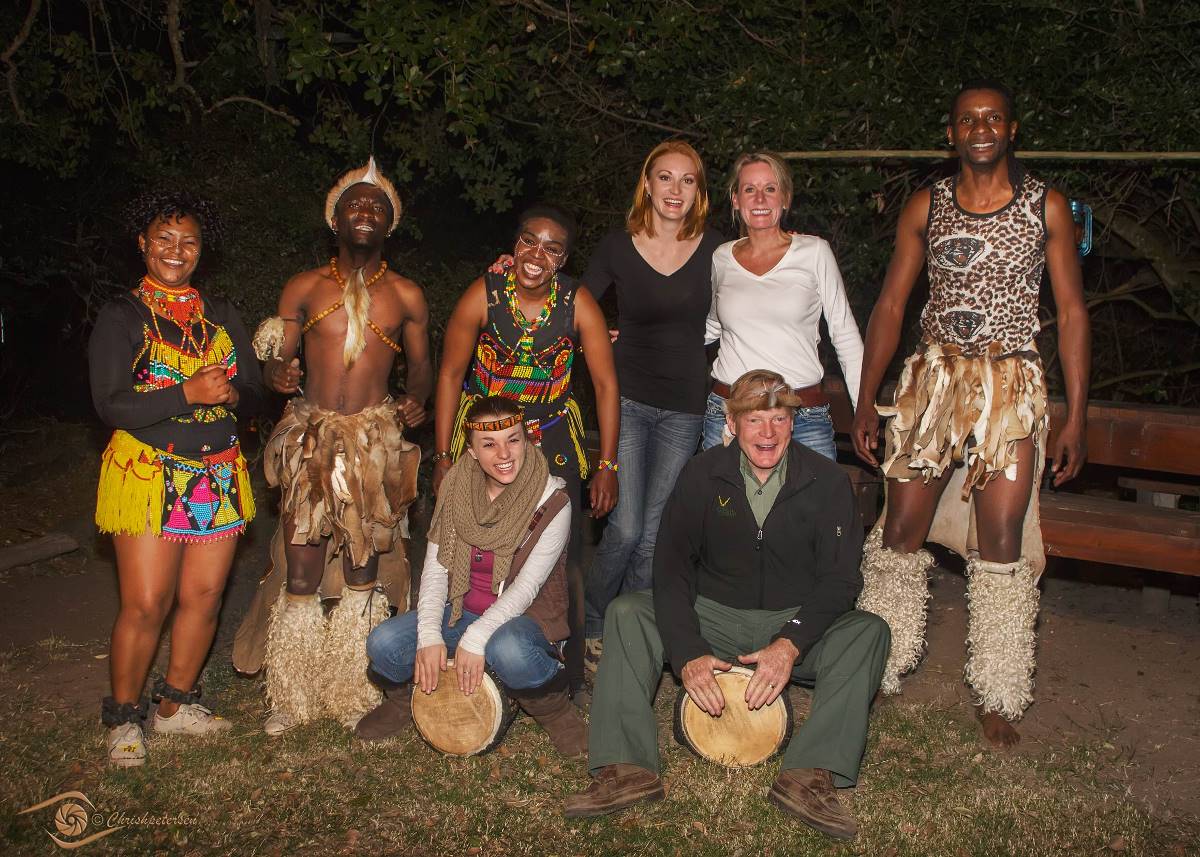
You definitely want the right camera, and know how to use it properly, when Craig Boddington plays the drums with his family and the dancers at your campfire in the boma!
You will need the right camera to capture quality photos in a variety of settings and light conditions that you will encounter in Africa. There are many shooting scenarios:
- Low light scenes such as dawn breaks, and especially at sunsets
- Night scenes around the fire as dancers entertain with the drums into the night
- Indoor shots of your lodge, rooms, and the amazing food with friends around the table
- Wildlife photos of everything from birds, to antelope, lions and elephants
- And of course majestic landscapes of plains that seem to go on forever
Said another way, you will want a camera with the capability to capture it all. You will want a camera that does more than mediocre “snapshots”. After all this is your trip of a lifetime! You deserve some gear that doesn’t overwhelm you, but takes the kind of photos that you will be proud of to show to your friends … and with enough quality that you can print and hang your treasured moments on the wall back home.
Don’t wait … choose a camera NOW! You need time to practice before you go!
The worst thing you can do is purchase a new camera right before you head on safari! Or just as bad, drag out that old camera you have had lying around somewhere so that you can take some safari photos. Would you go golfing without taking some practice swings? Of course not!
You need to get your desired camera weeks, and even months before your safari. While most any camera can shoot photos in your living room, you must master some settings to cover the various scenarios you will want to take capture in Africa.
Whatever camera you decide to take, head out and practice a few different photos in varying lighting conditions. Below are some suggestions to practice shooting BEFORE going on safari. When you shoot these types of photos you will discover any limitations your current camera may have, and what you might want to get when you decide to purchase a new camera.
Try shooting the following scenes … now … several times before you go on safari:
- Photograph both sunrises and sunsets
- Shoot a campfire scene or your fireplace/similar setting
- Visit a park and shoot a variety of landscapes … close up and distant
- Photograph your pets, close ups … and especially running/moving shots
- Photograph animals out in a field … horses or cows will do … at varying distances
- Close-ups of something … flowers or even change in your pocket
- Photograph your friends and family in different settings indoors and outside
If you cannot get sharp photos of your kids running and playing in a field, you are NOT ready for photographing wildlife on safari in Africa. The point here is … shoot a lot of different photos in different kinds of light with the camera you plan to take, or the new one that you purchase. I can’t begin to tell you how many people take a new camera to Africa and come back with less than 10% of their shots in focus and properly exposed! Practice now … there is no second chance for shots of a lifetime after you come back from your safari.
Choosing the best camera for you
So what is the best camera for your adventure filled safari? There are 4 main camera styles to consider when searching for a camera that is best for you and your safari:
- Smartphone
- Pocket camera
- Hybrid superzoom
- Digital SLR with lenses
Camera Option 1 – Your smartphone!
The new smartphones have quite literally replaced the old point and shoot digital cameras. Not only do they take great still photos, most also capture HD video. But the very best part is that smartphones are the fastest way to share your photos and video clips with family and friends via text messages or email when you get back home.
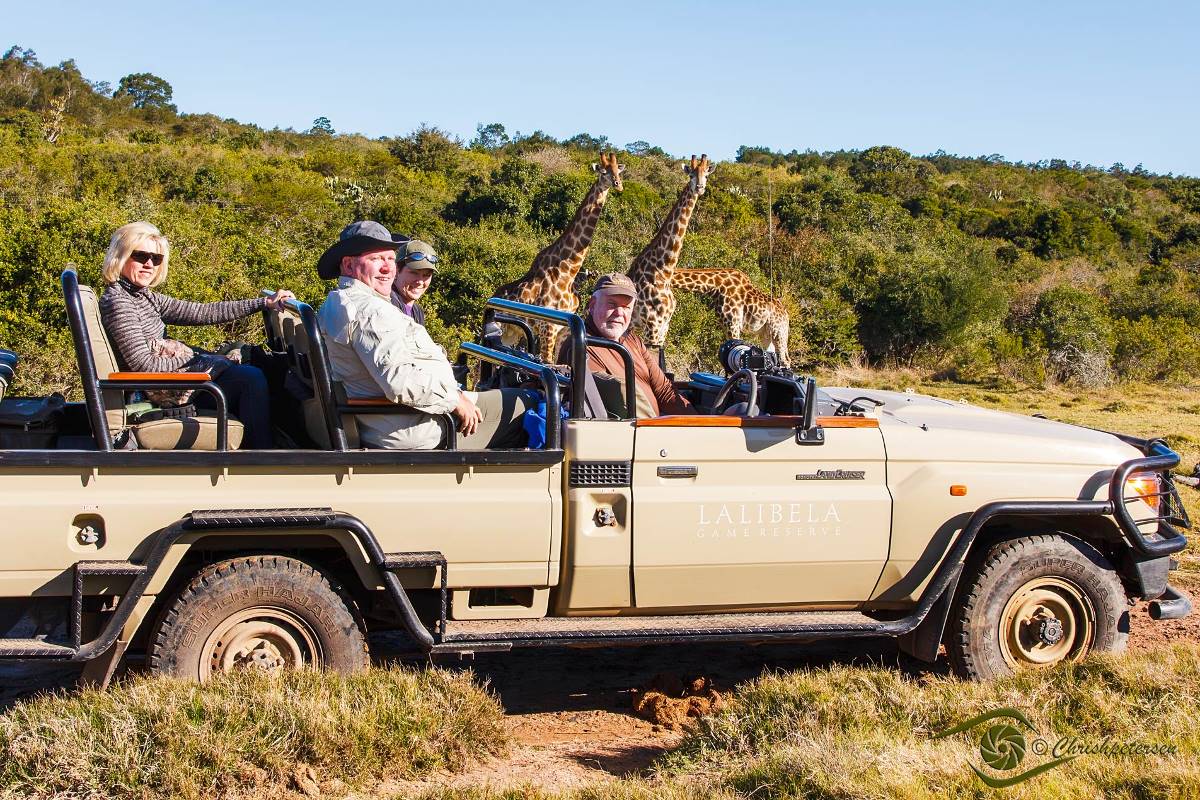
In good light with large animals, there is nothing like your smartphone to capture photos to share quickly.
Smartphones do have some limitations. One limitation is that they are often not the best in low light, and their tiny flash has very limited distance. Nor are smartphones best at capturing action photos of animals. The biggest limitation is that smartphones also lack an adequate zoom lens to capture wildlife photos in the field. Despite these drawbacks, your smartphone might be the best all-around camera for capturing people experiences on safari!
PROS
|
CONS
|
Smartphone Recommendations: If you don’t have a smartphone, get one! If you haven’t upgraded your smartphone in a while, do so before your safari. Look for a phone that has at least an 8 megapixel camera. Brand is not important … iPhones, Android phones … all work well. Buy a case with padding to prevent a cracked screen in the field.
Camera Option 2 – Pocket camera (point and shoot)
Over the years, your family has probably owned several of these small cameras that can quite literally fit in your pocket. If your pocket camera is more than 3 years old, you might consider an upgrade. The new ones have some great new features for taking photos in more situations. The new pocket cameras also take great HD video and have touch screens on the back for menus and viewing photos. The most important part of the newer pocket cameras is that you can now get them with a 20X or even a 30X zoom lens. You need at least 20X zoom for good wildlife photos.
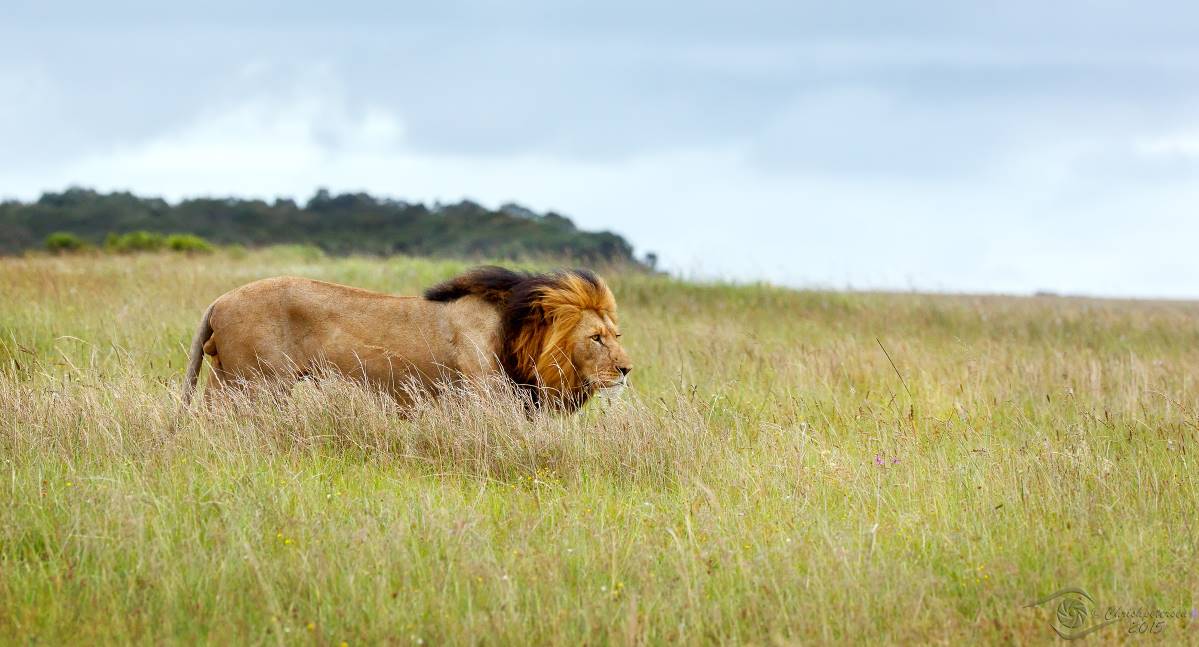
Even with large animals like lions, you need more than a smartphone. A pocket camera with a 20X zoom can capture the magnificent memory IF you know how to set it to stop the action as the lion walks.
Most pocket cameras require you to change some settings in order to take quality photos in low light or action scenes. Find a pocket camera that fits your style and one where you can comfortably use the menus.
PROS
|
CONS
|
Pocket Camera Recommendations: Look for a small camera that will truly fit in your pocket. You will want at least a 20X optical zoom to capture wildlife. This makes a perfect main camera, and also a “backup” camera, or a second camera for someone else in your party.
There are many great brands … Canon, Nikon, Sony, Fuji and Samsung to name a few. Prices range from $150 to $700+. The highest price models have elaborate sensors, but often have poor zooms which are needed for African wildlife photos.
You don’t have to buy the newest model … look for discontinued and refurbished models online.
A very good pocket digital camera can be purchased for less than $300 USD, with closeouts at less than $100. It’s very cheap insurance to have a good pocket camera with a good zoom in case another camera fails.
Camera Option 3 – Superzoom (all in one, built-in long telephoto zoom)
I recommend this style camera to most people going on safari. No one has ever come back disappointed with their photos! The big advantage of the superzooms is that they will take all of the normal photos, sunsets and night scenes … PLUS being able to zoom in to take incredible wildlife photos of animals that are long distances from the vehicle. Whereas most smartphones have a 2X to 4X power zoom, the superzoom cameras have 50X to 80X power optical zooms (without the hassle of carrying extra heavy lenses!). A smartphone is like using your naked eye on safari, a superzoom is like having 14 to 20X power binoculars that take great photos!
SMARTPHONE – Here is the photo you would get of this flock of cranes with your phone
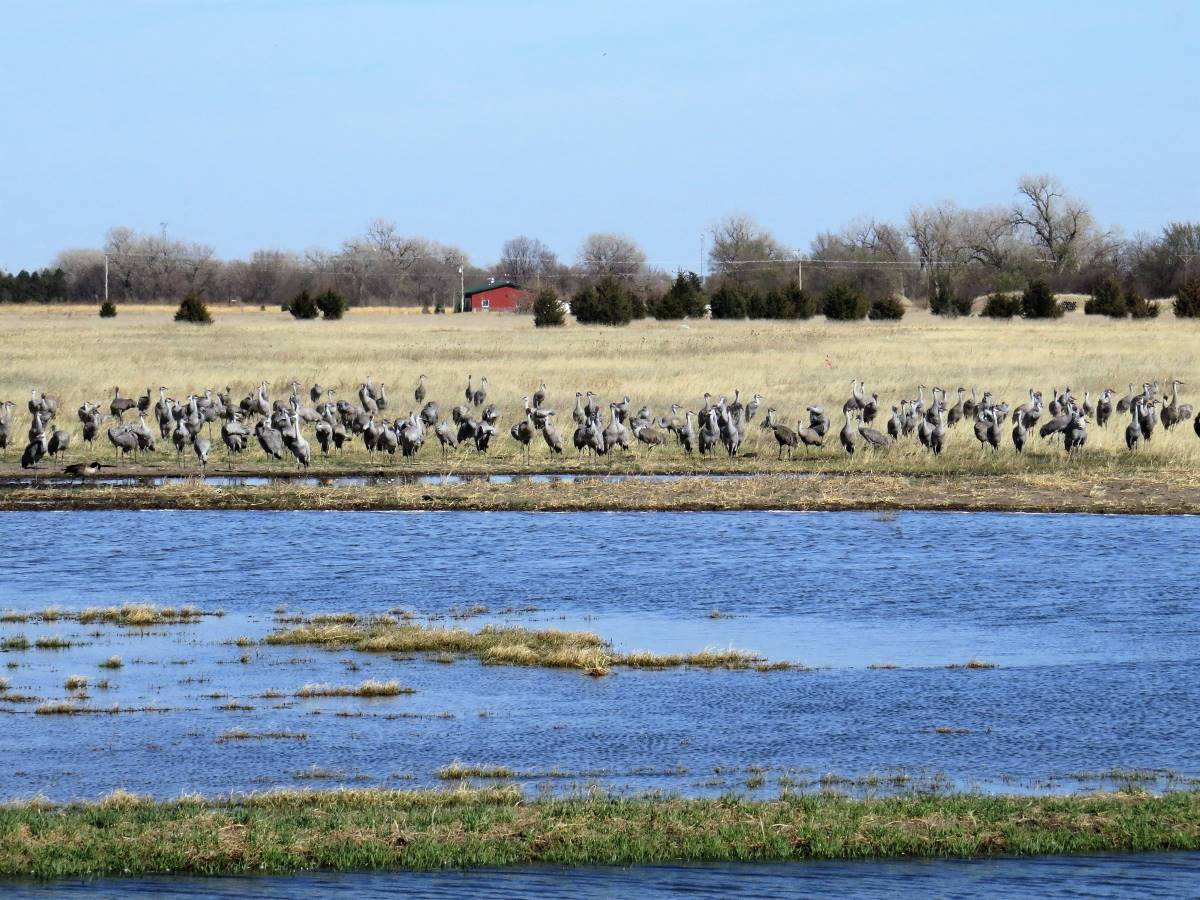
20X ZOOM — Here is same flock of cranes taken with a pocket camera with a 18X zoom
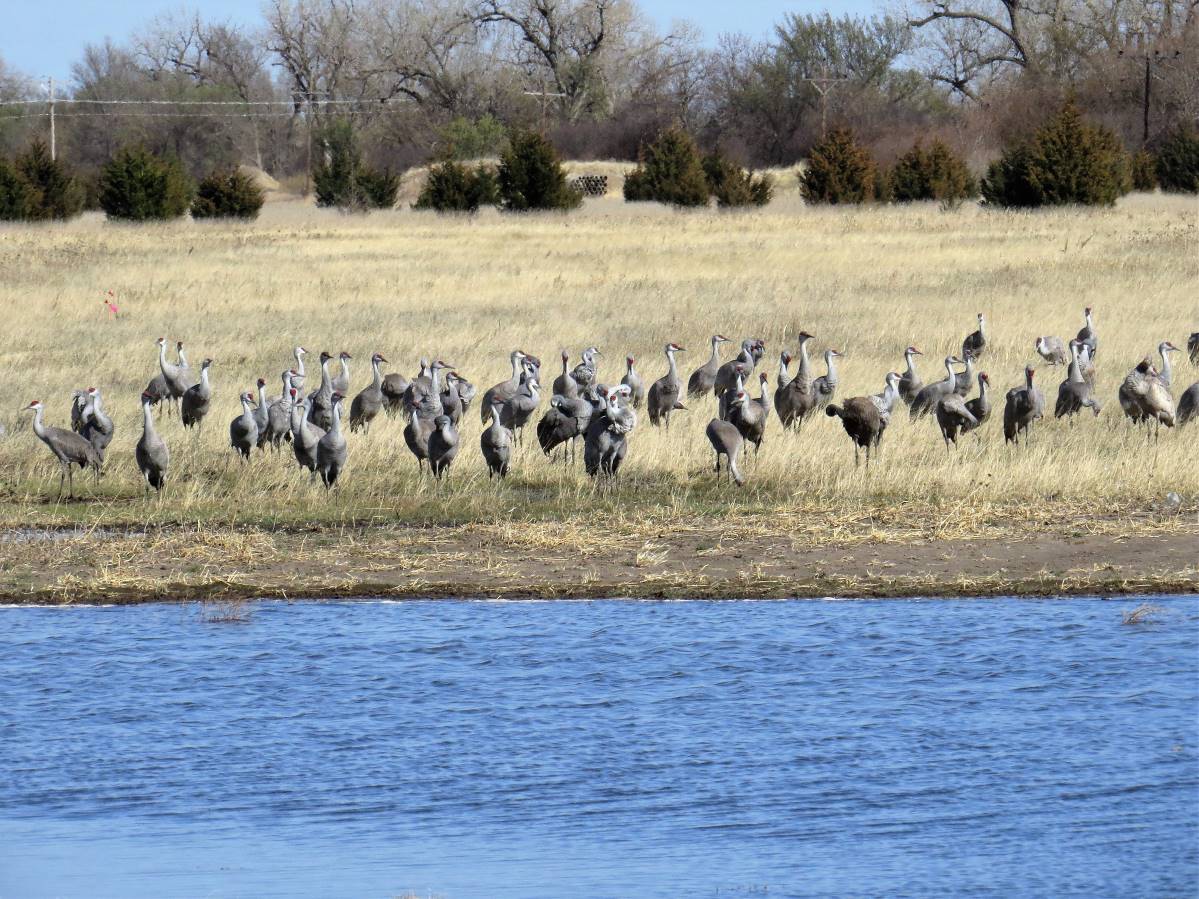
50X ZOOM – Here is the same flock photo with a superzoom camera set at 50X optical zoom
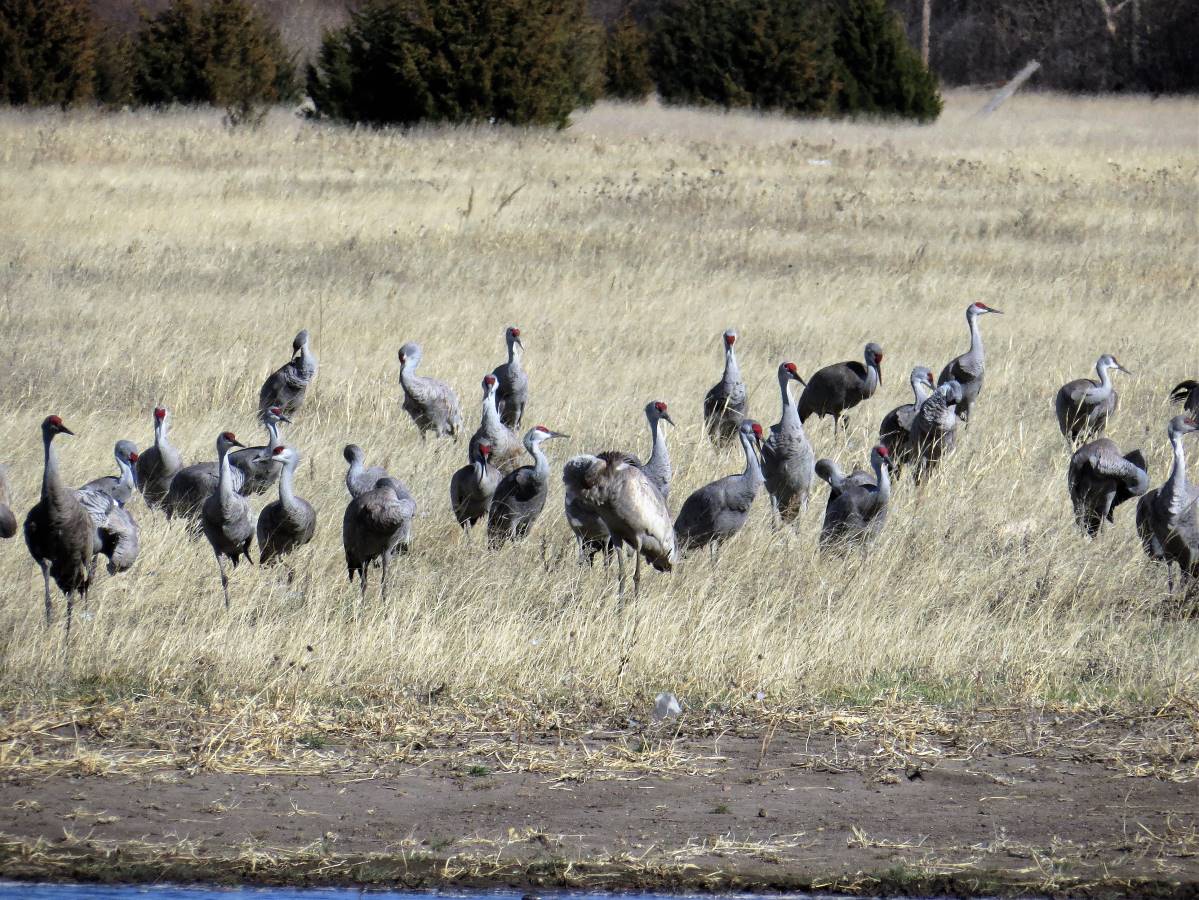
Essentially the superzooms operate pretty much like pocket digital cameras, but they have a big bulging lens on the front that is the integrated super telephoto. As a result, superzooms won’t fit in your shirt pocket, but you will love the photos that zoom lens enables. Shooting with a long telephoto lens does take some practice holding things steady. And if the animals are running there will be motion blur at long distances.
PROS
|
CONS
|
Superzoom Recommendations: Brand is not important … Sony, Nikon and Canon all make great superzoom cameras. Just google “superzooms” to search prices which range from $300 to $600 USD. Save money by purchasing last year’s model online. Look for at least a 40X optical zoom. Practice is the key to learning the settings and taking sharp photos with these superzoom telephoto cameras.
Camera Option 4 – Digital SLR with Interchangeable Lenses
Once you’ve shot with a digital SLR you will forever be spoiled by the quality of the photos! The sensors and lenses are so much better in SLRs over any other types of cameras. The quality of photos from the SLR cameras will really standout, and enable you to make great prints.
A big advantage of SLR cameras is that they have incredibly fast shutters which allow you to literally freeze motion of a bird in flight. The biggest drawback of digital SLR cameras is that you need multiple lenses to cover the range of shots you want. For wildlife photos, you need at least a 300mm telephoto and longer. These glass telephoto lenses tend to be expensive and heavy but they will get you shots like no other camera.
The big advantage of the Digital SLR is the fast shutter with the ability to freeze action … even for birds in flight like this Secretary bird and the beautiful Turaco! But you need to master your settings before you go.
Bottom line, if you already have a digital SLR camera, consider taking it. If you are thinking about stepping up and purchasing a digital SLR, now is the time. Entry SLR cameras are about the same price as a good superzoom. Also consider upgrading or adding a high power zoom telephoto lens. Sigma and Tamron both make affordable 150-600mm zoom lenses which are an excellent zoom range for safaris.
PROS
|
CONS
|
Digital SLR Recommendation: Canon and Nikon are the popular brands, but Sony and others make good digital SLRs. The camera body itself starts at about $400 and goes up to several $1000s. Save money on buying last year’s model or even a refurbished camera body. If you are hooked on the quality of what a digital SLR camera can shoot, consider one of the new telephoto zoom lenses in the 150-600mm range and you will be able to capture any wildlife in Africa.
So … what’s the best camera for you?
The simple answer is that the best camera for you is …
- The one you will carry with you
- The one that you spend the time with and learn how to use
For most going on safari, the best camera is really a combination of a modern smartphone, plus another camera that has an adequate zoom to capture photos of amazing wildlife that you will see on safari.
The bottom line is that it is not how much you spend on the camera, but how much time you will spend on learning how to use your camera in order to take the photos that will capture your memories in the ways you want to remember them.
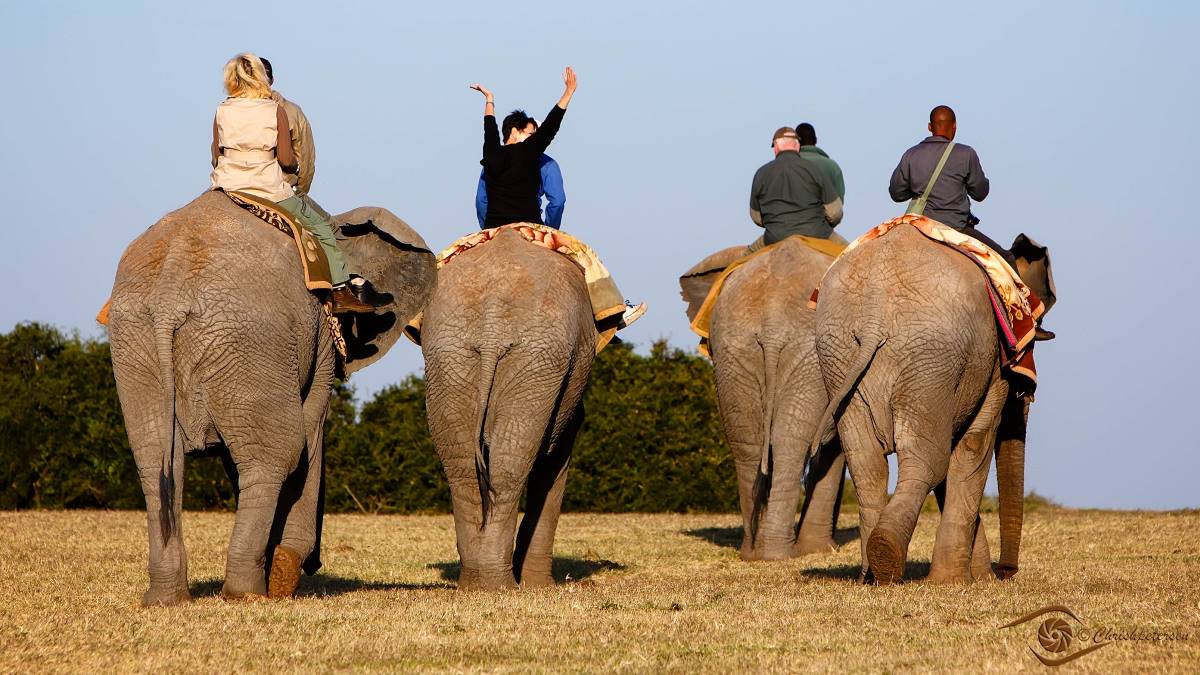
When you have the opportunity to ride off into the sunset on the back of an elephant … that is not the time to worry about whether you have the right camera to capture the memory of a lifetime!!!
Chris Petersen has been on 7 safaris with John X Safaris, and multiple wildlife photo safaris around the world. He specializes in photographing wildlife in Africa, India, the tropics and throughout the United States. If you have any questions not answered in this blog, please post them as a blog comment, and Chris will follow up with some feedback.
To see samples of Chris Petersen’s wildlife photos visit:
Facebook ~ Google + ~ Instagram ~ Tumblr ~ Pinterest
For more information and current updates about John X Safaris; follow us on Twitter, connect with us on Facebook, subscribe to our YouTube Channel and visit our Website!