Safari Planning


We realize that Africa is so much different to what you’re used to. For this reason we’d like to share important recommendations from past experience. Find answers to common questions about your safari and travel preparations. And at no stage feel obligated or obliged to follow any of our recommendations, they are merely there for you to utilize if you wish to.
The Eastern Cape in SA boasts a fairly moderate climate, making for comfortable hunting conditions throughout the year.
Early season: February – April
Average temperatures range from approximately 65°F to 100°F in the southern and northern regions.
Mid-season and winter: May – August
Average temperatures range from approximately 32°F to 85°F in our northern areas, while the southern regions seldom experience frost or temperatures below 40°F.
Late season: September – October
Average temperatures range from approximately 65°F to 100°F throughout all our regions.
Below is an example of the SA Plug

Type M & C Adapter Required in SA
Kindly purchase an adaptor prior to your safari as supplies are limited in camp.
You do not need to bring your own hairdryer as all our rooms provide standard hairdryers for ease of travel.
Let us start off by saying that the only reason we’re even broaching this subject, is that it is the most commonly asked question. Firstly, our company has a policy that tips are definitely not mandatory and have to be earned by the staff. Over the course of the past 5 seasons, we’ve asked all our staff to keep note of their tips, after each season we have worked out an average on what tips they have earned per safari. Here is a yard stick of what can be taken as an average.
Professional Hunters: $100 to $300 USD / day. (Depending on the hunt - Plains Game or Big 5 Hunt).
Camp/s: $75 - $150 USD Per Person/ Per Night covering; Managers, Cooks, Kitchen Ladies, Room Ladies, Laundry Ladies, Gardeners/Porters
Please note that most hunts will be out of two camps, be sure to split the tip between camps where applicable.
Trackers/Skinners, Skinning Shed Staff: $300—$500 USD Per 7/10 day Safari
Cameraman: $75—$150 USD Per day
Skinning Shed & Game Carriers/Retrievers: $50—$100 USD Per 7/10 day Safari
Day Trip Excursions Guide: $30 - $50 / Per Day
The preferred method of tipping for trackers, camp staff, safari crews and PH's should be done in USD$ cash. Alternatively, feel free to add tips to the final bill of the safari. Our office will then ensure the various team members are paid out in accordance with your personal wishes. Check with your Professional Hunter what the norm is on tipping and at all times keep in mind a tip is a bonus greatly appreciated, but not expected.
Camo such as JXS/Kuiu/Sitka/Similar are permitted in South Africa. Go for darker colours/patterns/shades and feel free to hunt in solids. Try to avoid light khaki/stone colours.
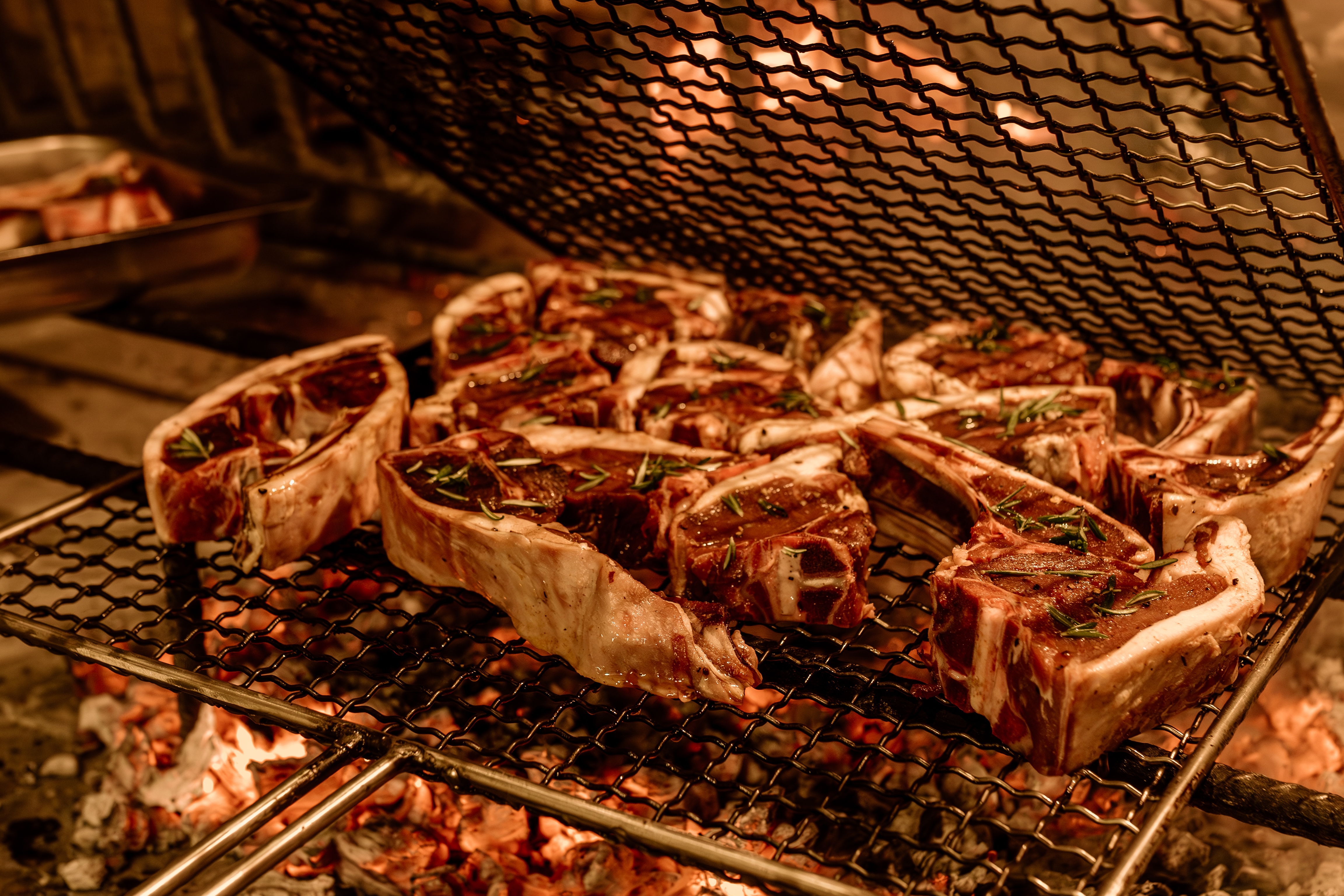
Meat from your hunted game will be utilised by camp affording you the opportunity of trying numerous varieties of venison to enjoy while on safari. Over and above that, excess meat is utilised by our staff and the John X Foundations School lunch program. Thereafter the remaining meat is sold to a local meat processing plant for further utilization.
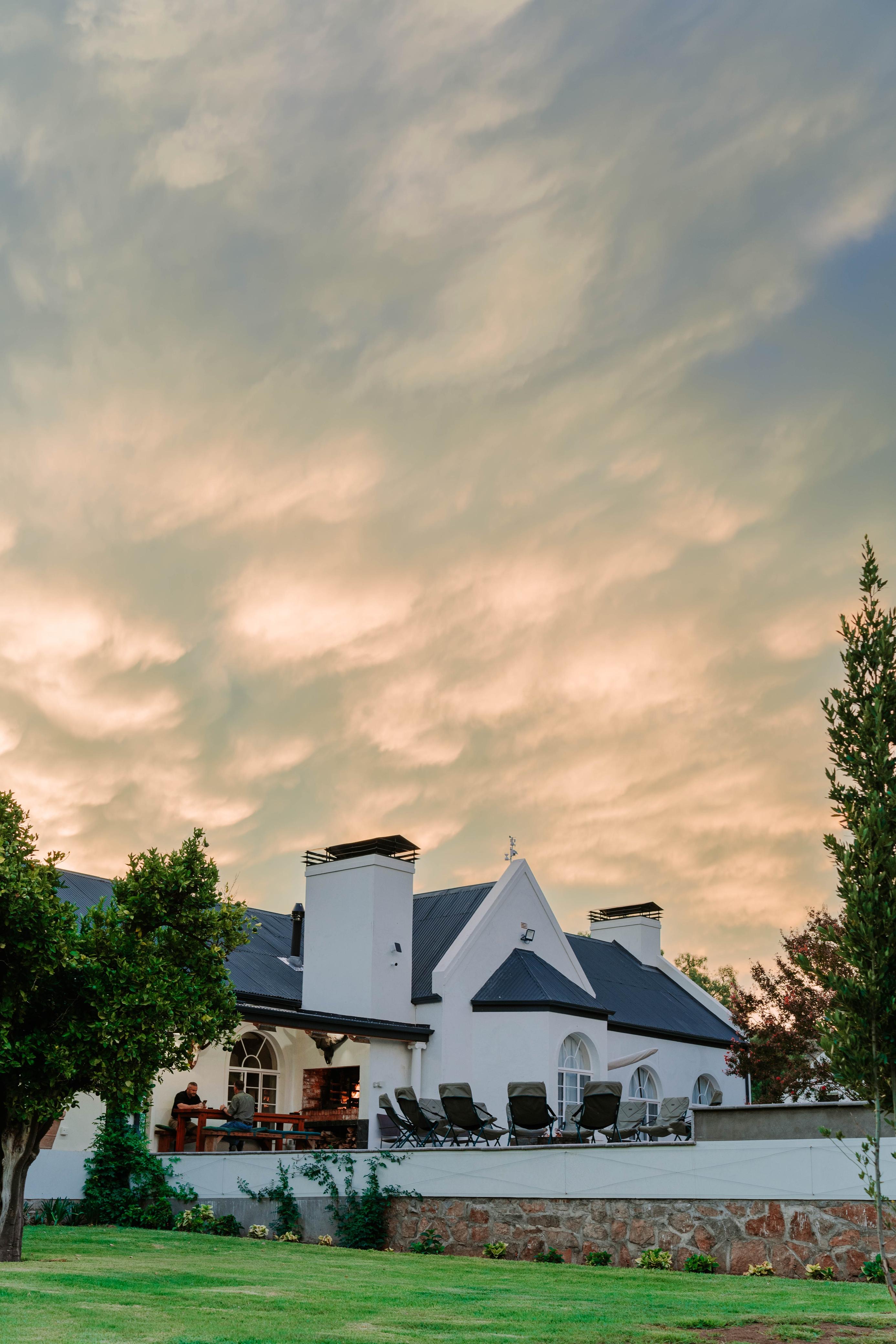
There are no specific dress code requirements for evenings in camp/dinner. Feel free to wear anything comfortable. Our team will grab a shower after the days hunt changing into traditional safari clothing for dinner.
Yes, there is a daily laundry service except for the days of arrival/departure and when camps are changed from south to north/vice versa.
Yes, it is advisable to complete the SARS digital Customs Online Traveller Declaration within 24 hours prior to your arrival in South Africa. However, if you forget or cannot finish it, you will not be denied entry; SARS has self-service terminals at our ports of entry to assist you in completing it upon arrival.
Street Number: R340
Street Address: Woodlands Safari Estate
Suburb/City: Grahamstown
Region: East Cape
Postal Code: 6140
Country: South Africa
John X Safaris Tel: +27 (0) 82 300 8225 / +27 (0) 82 700 9866 | johnxoffice@gmail.com | www.johnxsafaris.com
Yes, our camps/lodges provide all standard Liquor/Beer/Wine on site for the duration of your stay. If you may require any specialized product/s then kindly purchase those at Duty Free/Similar prior to your arrival on safari.
Your trophies will be cured, dried and ready to leave our promises within 10 days of the completion date of your hunt ensuring there are zero delays from our end in getting your memories home either as Taxidermy or a Dip & Ship order to your Taxidermist of choice.
Dip & Pack is the veterinary required cleaning process which is the boiling of the skulls, cleaning of skins, removal of excess salt and the treatment with an antibacterial powder - This is the minimum requirement for the legal export of trophies out of South Africa. Taxidermy is the art and process of preserving an animal’s skin and recreating its natural appearance for display.
This is dependent on a few factors such as the method of shipping selected, flight and/or ocean freight availability, as well as freight rates at the time of export.
Due to export requirements, each person/s trophies are crated according to their individual hunting register and documentation. Each crate is custom-made to fit that particular hunters specific order, and crating the orders together or separately generally does not result in a significant cost saving. For a husband and wife/family residing at the same address, it may be possible to crate trophies together, subject to confirmation and approval from the import agent. However, each hunter will still require their own hunting documentation and applicable export permits.
The right gear and clothing can make all the difference when preparing for your safari.